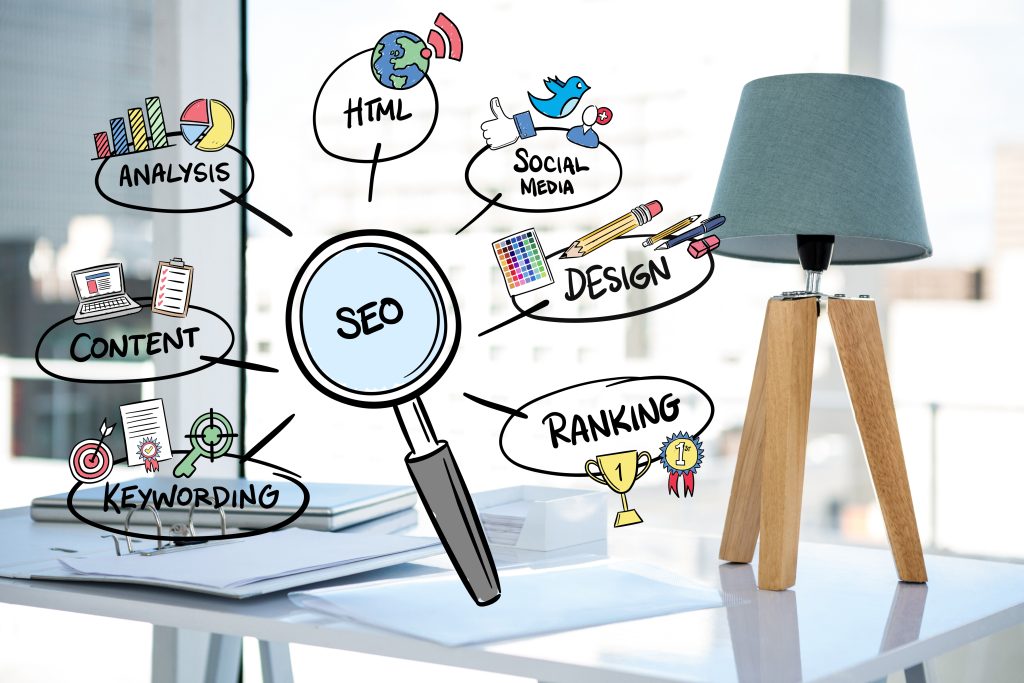
Organic Search Engine Marketing Strategies for 2025
What Organic Search Engine Marketing Means Today ?
In a world awash with ads, organic search engine marketing offers a sustainable, cost‑effective way to attract traffic naturally. You might wonder: What exactly does organic search engine marketing mean, and how can it transform my digital strategy? It’s all about optimizing your website so it appears at the top of search engine results—without spending a dime per click. In this vlog‑style guide, we’ll explore how organic search engine marketing works in 2025, the key techniques you can use, real examples of success, essential tools, and a step‑by‑step roadmap to rank higher and drive relevant traffic organically.
Whether you’re an entrepreneur, marketing manager, or SEO enthusiast, this post will equip you to build a living, breathing organic search engine marketing system that gains momentum over time. Let’s dive deep into the strategies, trends, and tools shaping the future of organic search.
1. Understanding Organic Search Engine Marketing
Organic search engine marketing means attracting traffic from search engines without paying for ads. It encompasses all strategies—on‑page, technical, and off‑page—that help your website rank higher naturally on search results pages (SERPs).
Unlike paid search, organic efforts compound over time—each optimized page builds authority, visibility, and trust.
2. Why Organic Should Be Your Foundation
Longevity: Ranks achieved are persistent, delivering traffic for months or years.
Credibility: Users trust organic results more than paid ads.
Cost‑effectiveness: No CPC fees—just your investment in content & technical optimization.
Scalability: Builds momentum—new content lifts your entire site.
Studies show 70–90% of search traffic is organic, making it the cornerstone of any long‑term strategy.
3. Core Components of Effective Organic SEM
Successful organic SEM hinges on three pillars:
3.1 On‑Page SEO
Includes content, keyword optimization, title tags, headings, meta descriptions, and internal linking.
3.2 Technical SEO
Ensures your site is fast, crawlable, mobile‑friendly, and secure (HTTPS).
3.3 Off‑Page SEO
Focuses on backlinks, brand mentions, social signals, and domain authority.
Organic SEM thrives when these areas work in harmony.
4. Building a Keyword‑Driven Content Strategy
Keyword Research
Use tools like Semrush, Ahrefs, or Google Keyword Planner to identify:
- Informational keywords (e.g., “best running shoes for flat feet”)
- Commercial keywords (e.g., “buy blue Nike Pegasus 42”)
- Question‑based queries for featured snippet potential
Intent Mapping
Align your content with user intent:
- Blogs for informational intent
- Product pages for transactional
- Landing pages for conversion-driven queries
Topic Clusters
- Create pillar pages (e.g., “Complete Guide to Organic SEM”) supported by cluster posts (e.g., “How to Optimize Title Tags,” “SEO for Local Businesses”).
Content Creation
- Aim for in-depth, comprehensive articles (1,500–3,000 words)
- Use visuals like infographics, charts, and videos
- Answer user questions directly and include schema markup
5. On‑Page SEO Tactics That Still Work
1. Title tag & meta description: Keep titles ≤ 60 characters; descriptions ≤ 155 characters, include keyword early
2. Headers (H1, H2, H3): Use target keyword and semantic variations
3. SEO‑friendly URLs: Short, descriptive, keyword‑rich
4. Internal linking: Support authority flow and navigate users to related content
5. Image optimization: Use alt‑text and compress them for speed
6. Use schema markup: Implement FAQ, HowTo, Article schemas
6. Technical SEO Fundamentals
Page Speed: Keep load times < 2 seconds on mobile and desktop
Mobile‑First Design: Google prioritizes mobile-indexed content
HTTPS: Secure your site with SSL
XML Sitemap: Submit via Google Search Console
Structured Data: Support rich results (e.g., reviews, FAQs)
Broken Links & Redirects: Fix 404s and use 301 redirects
Canonical Tags: Prevent duplicate content issues
7. Off‑Page SEO & Link Building
Guest posting: Write for authoritative websites in your niche.
Digital PR: Share newsworthy stories to earn media links.
Resource link building: Get featured in listicles or resource pages.
Influencer collaborations: Provide expert quotes or data.
Monitor brand mentions: Use tools like Ahrefs or Google Alerts and ask for links.
Bad practices like buying links or link exchanges can lead to penalties—avoid them.
8. Local SEO: A Subset of Organic SEM
Local strategies include:
- Google Business Profile optimization (accurate NAP, photos, categories)
- Localized content (e.g., “Organic SEM services in Phoenix”)
- Local citations in directories like Yelp, Bing Places
- Geo‑targeted keywords
- Reviews on Google, Facebook, and niche directories
If you run a local business, local SEO is non‑negotiable.
9. Real‑World Case Studies
Case 1: E‑commerce Brand
Applied keyword-targeted blog + product pages
→ 150% organic traffic growth in 6 months
→ 3× increase in revenue from organic sources
Case 2: B2B SaaS Company
Built pillar content + webinar recordings
→ Gained featured snippets for high-value keywords
→ Increased organic MQLs by 40%
Case 3: Local Plumbing Service
Optimized GBP + local blog posts
→ Appeared in map‑pack across 5 ZIP codes
→ 60% increase in local calls within 90 days
10. Tools to Power Your Strategy
Semrush / Ahrefs: Keyword research, competitor analysis, backlink tracking
Google Search Console: Performance monitoring + indexing issues
Google Analytics 4: User behavior and conversion metrics
Screaming Frog: Technical SEO audits
SurferSEO / Frase.io: On-page content optimization
Moz Local / BrightLocal: Citation and local SEO management
PageSpeed Insights / GTmetrix: Speed and performance testing
11. Common Pitfalls & How to Avoid Them
1. Thin content: Avoid low-value posts
2. Neglecting mobile users: Ensure mobile responsiveness
3. Keyword cannibalization: Don’t target multiple pages with same keywords
4. Ignoring analytics: Monitor performance monthly
5. Not updating content: Refresh older posts with new stats and insights
6. Slow site speed: Compress images, use caching, utilize CDNs
12. Future of Organic Search in 2025
AI‑assisted optimization: Tools like ChatGPT will refine content faster
Voice search: Optimize for natural phrasing and questions
Visual search: Use high‑quality images and structured alt-text
Experience metrics (Google’s Core Web Vitals): will drive ranking emphasis
E‑A‑T signals: Expertise, Authority, and Trustworthiness will matter more
13. Outbound Link: A Must‑Use SEO Resource
For a deeper dive into modern, white‑hat SEO, check out Moz’s comprehensive guide:
Moz – The Beginner’s Guide to SEO
14. Step‑by‑Step Organic SEM Action Plan (30‑Day Timeline)
Week Tasks
1. SEO audit: technical issues, speed, mobile, sitemap, keywords
2. Content planning: keyword clusters, calendar for blogs & pages
3. Implement on‑page SEO: titles, headings, schema, internal linking
4. Off‑page push: guest posts, outreach, local citations, review collection
Monthly Analyze metrics, adjust strategy, update content, build new links
15. Conclusion & Next Steps
Organic search engine marketing is not a quick hack—it’s a long‑term roadmap to visibility, credibility, and revenue. By combining strong content, technical excellence, and strategic off‑page efforts, you can build a sustainable and high-performing organic presence in 2025.
Start today:
- Pick one underperforming page and revamp it.
- Build a cluster around it.
- Fix technical issues.
- Reach out for at least 2–3 backlinks in the next month.
In six months, you’ll be amazed at how much organic traffic, brand authority, and business growth this foundation can yield. And if you want a vlog script, video outline, or SEO audit checklist, just say the word—I’m happy to help!
If you want to know more than click here