Digital Marketing Strategies and Planning in 2025
In the fast-paced digital world, businesses must evolve continuously to keep up with market demands. One of the key elements that separates successful brands from the rest is having robust digital marketing strategies and planning. Gone are the days when randomly posting on social media was enough — now, you need intentional strategy and solid planning to drive results.
Whether you’re a solopreneur, part of a growing startup, or leading a marketing team, understanding how to design and execute effective digital marketing strategies can mean the difference between growth and stagnation. In this in-depth blog, we’ll explore how to build, plan, and execute digital marketing strategies tailored to 2025’s online landscape.
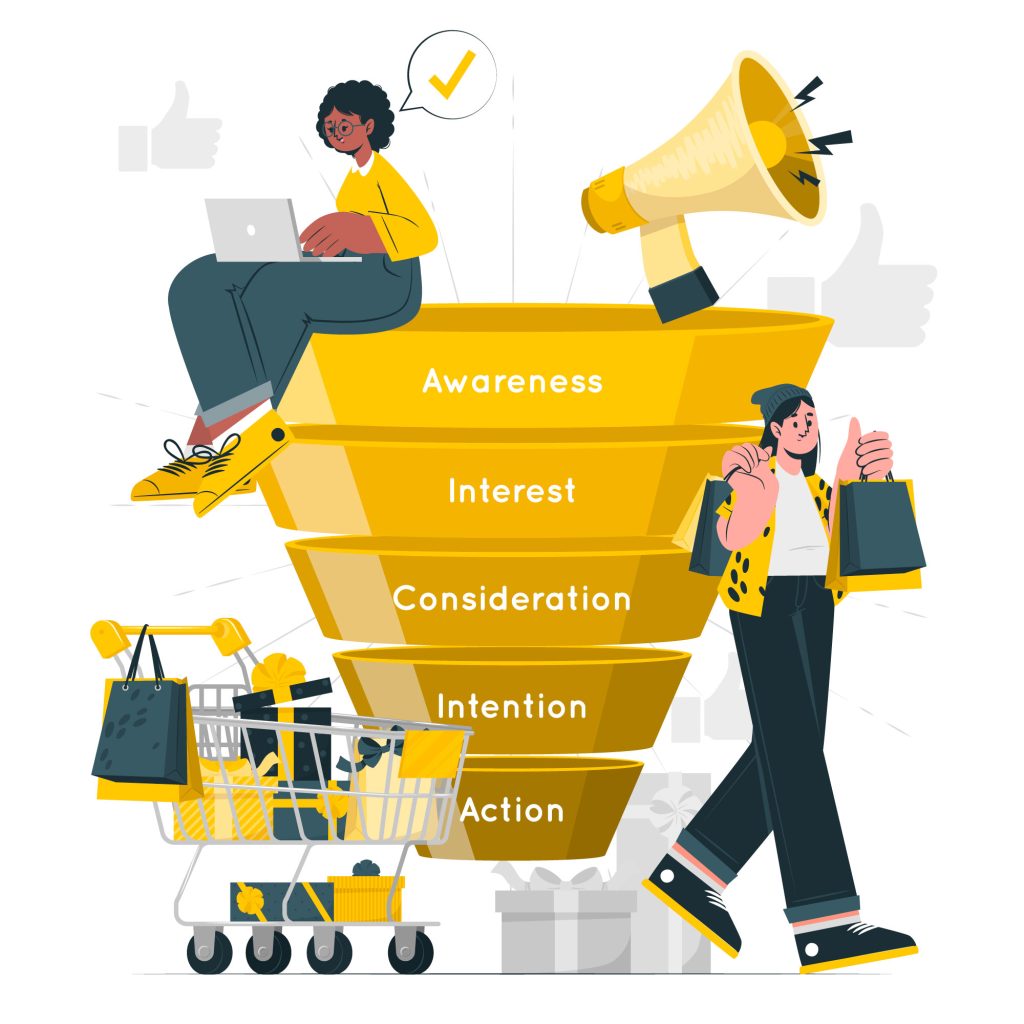
1. What Is Digital Marketing Strategy?
Digital marketing strategy is a detailed blueprint outlining how your business will use online channels to achieve marketing goals. It focuses on reaching your target audience, driving engagement, generating leads, and ultimately converting them into paying customers.
Examples of digital channels include:
- SEO (Search Engine Optimization)
- Content Marketing
- Social Media Marketing
- Email Campaigns
- PPC Advertising (Google Ads, Facebook Ads)
- Influencer or Affiliate Marketing
Without strategy, you’re just throwing content at the wall to see what sticks — and that’s neither efficient nor scalable.
2. Importance of Strategic Planning in Digital Marketing
Planning helps ensure your digital marketing efforts are aligned with business goals. Here’s why it matters:
Direction: It gives your team a clear roadmap.
Efficiency: Allocates time and budget effectively.
Consistency: Ensures messaging is aligned across all platforms.
Measurability: Helps track progress using KPIs (Key Performance Indicators).
Adaptability: Makes it easier to pivot when trends or platforms change.
With good digital marketing strategies and planning, companies can prevent wasted ad spend, avoid brand confusion, and build long-term online authority.
3. Core Components of Digital Marketing Planning
Before launching any campaign, build your marketing plan around these 7 pillars:
Set Clear Goals (SMART Goals): Define Specific, Measurable, Achievable, Relevant, and Time-bound goals. Example: “Increase email subscribers by 30% in 3 months.”
Define Buyer Personas: Know your audience: their pain points, desires, platforms they use, and how they consume content.
Conduct Market Research: Analyze competitors, pricing models, current demand, and top-performing content using tools like Ahrefs or SEMrush.
Choose the Right Digital Channels: Don’t spread yourself thin — focus on platforms that work best for your audience (e.g., LinkedIn for B2B, TikTok for Gen Z).
Create a Content Strategy: Plan a calendar of blog posts, videos, emails, and ads. Ensure your tone, branding, and purpose remain consistent.
Allocate Budgets & Resources: Define how much will be spent on ads, software, salaries, or influencers.
Use GA4, Meta Pixel, Hotjar, or HubSpot to measure performance and conversions.
4. Real-World Digital Marketing Strategy Examples
Let’s examine a few real-life examples to understand how brands apply strategy and planning:
Example 1: Airbnb’s SEO + Content Marketing Strategy
Airbnb created detailed travel guides and city landing pages to drive organic traffic. Each page was optimized for “what to do in [city],” helping them rank on Google and gain thousands of bookings.
Strategy: SEO-focused content targeting high-intent searches.
Example 2: Dollar Shave Club’s Viral Launch
Their humorous video launched with a clear CTA: Subscribe now for $1. It reached millions because they planned every stage of the funnel: from video → landing page → conversion → email nurturing.
Strategy: Video marketing + funnel planning
Example 3: HubSpot’s Free Tools Strategy
HubSpot offers free tools (e.g., email signature generator, website grader) to attract traffic. They use those tools to collect leads and guide users into CRM purchases.
Strategy: Value-first marketing with lead magnet tools
5. Common Mistakes to Avoid
- No clear goals — leads to wasted efforts
- Ignoring SEO — reduces organic visibility
- Posting without a content calendar — causes inconsistency
- Not repurposing content — leads to burnout
- Failing to track KPIs — limits growth
Avoid these pitfalls by sticking to your digital marketing strategies and planning framework.
6. 2025 Trends in Digital Marketing Strategy
AI-Driven Content Creation
Tools like ChatGPT, Jasper, and Copy.ai are revolutionizing content production.
Short-Form Video Dominance
Reels, TikToks, and Shorts still outperform other formats.
Omni-Channel Personalization
Brands now use behavioral data to create personalized experiences across platforms.
Zero-Party Data Collection
Brands encourage customers to share preferences directly to ensure more accurate targeting.
9. Outbound Link: Recommended Planning Tool
Looking to build a solid content calendar and strategic plan? We recommend checking out CoSchedule’s Marketing Suite — it allows you to organize blogs, emails, and social posts in one place.
Bonus: You can visualize your entire marketing plan with drag-and-drop ease.
Final Thoughts
In 2025, brands that win aren’t necessarily the loudest — they’re the smartest. By investing time in digital marketing strategies and planning, you lay the foundation for consistent growth, better ROI, and customer trust.
Remember, success isn’t about being everywhere — it’s about being effective where it matters.
If you want to know more than click here